Steam can treat reachable surfaces, but technique and scope matter
Steam can kill bed bugs and eggs contacted by sufficient heat, but airflow, speed, surface tolerance, hidden harborages and electrical hazards matter. It is one tool within a larger plan, not proof that activity elsewhere has been addressed.
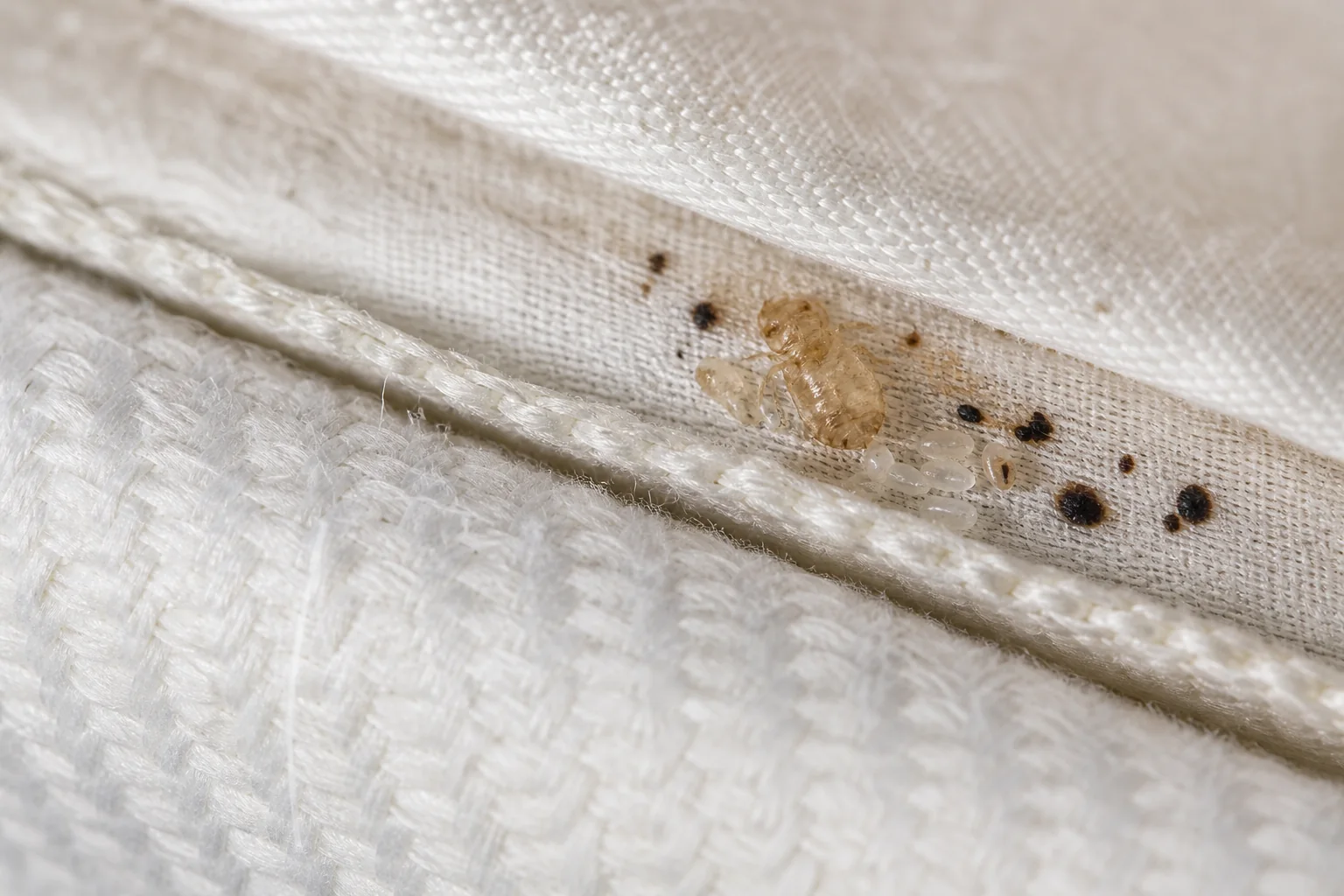
Use this visual as context, not as a diagnosis by itself.
What matters next
Use the sequence, not a shortcut
01Identify materials that tolerate steam
Record property-specific details and follow written directions tied to the proposed method.
02Use equipment and technique that do not scatter insects
Record property-specific details and follow written directions tied to the proposed method.
03Treat reachable seams and joints methodically
Record property-specific details and follow written directions tied to the proposed method.
04Keep moisture away from electrical hazards
Record property-specific details and follow written directions tied to the proposed method.
05Continue inspection and monitoring outside the treated surface
Record property-specific details and follow written directions tied to the proposed method.
Important limit
No responsible treatment page can promise a universal method or outcome.
Building layout, activity level, access and resident preparation can materially change the plan.
Clear answers
Questions worth asking
Can steam treatment for bed bugs: safe use and limits confirm an infestation?
For “Can steam treatment for bed bugs: safe use and limits confirm an infestation?”: Start with the physical evidence and the exact room where it appeared. Record dates, preserve a sample when possible, and ask the independent contractor to explain inspection scope, preparation, safety directions, monitoring, and follow-up for the actual property.
What should I photograph before service?
For “What should I photograph before service?”: Photograph the insect or sign in its original location, then take a closer image with a ruler, coin, or mattress stitching for scale. Include the seam, joint, or furniture area around it. If possible, preserve the insect in a sealed container for identification.
When should I contact a professional?
For “When should I contact a professional?”: Contact an experienced professional when you find a suspected bed bug, repeated spotting or cast skins, activity in more than one area, or signs in an apartment or attached building. Calling early can help define the inspection scope before belongings are moved.
Local treatment help
Share the details that matter for this bed bug concern
Before calling, note where the evidence appeared, whether a sample was saved, the rooms involved, and whether the property shares walls with other units. A focused description helps the independent contractor discuss inspection scope, preparation, scheduling, and treatment options.
Dark marks, shed material, pale eggs, and small brown insects can be meaningful, but look-alikes are common. Carpet beetle larvae, booklice, roach nymphs, fleas, ticks, and related cimicid insects may be confused with bed bugs in casual photos. The Steam Treatment for Bed Bugs decision should weigh body shape, six-leg anatomy, size, location, and multiple signs together. A clear specimen reviewed by a qualified identifier is stronger than a blurry image, and a visual identification is stronger than interpreting the arrangement of bites.
02
Authoritative references
For factual background beyond this Steam Treatment for Bed Bugs page, consult the U.S. Environmental Protection Agency bed bug resources and university integrated pest management programs. Cornell IPM emphasizes that bite reactions cannot diagnose bed bugs and that a preserved specimen is the strongest confirmation. EPA guidance explains preparation, monitoring, nonchemical measures, and cautious use of registered pesticides. These sources are educational; property-specific instructions should come from the independent contractor who evaluates the actual conditions.
03
Why preparation must match the method
Preparation is not a generic command to empty the room. Heat, steam, vacuuming, encasements, desiccant dusts, and registered pesticide applications each create different requirements. Overpacking can hide untreated items inside sealed bags; carrying loose belongings into another room can move activity; discarding a mattress may spread insects through hallways and does not address the frame or nearby furniture. For Steam Treatment for Bed Bugs, ask for written instructions that identify what should stay, what should be laundered or dried, how clean items remain separated, and when people and pets may safely re-enter.
04
Apartments, rentals, and shared buildings
In multifamily housing, a single unit cannot always be understood in isolation. Pipes, wiring paths, common walls, shared laundry routines, hallway movement, and adjacent sleeping areas may affect inspection decisions. A resident researching Steam Treatment for Bed Bugs should document when management was notified, keep copies of instructions, and ask who coordinates access to other relevant spaces. Avoid leaving loose furniture in a common area. Local landlord-tenant duties differ, so use official city or state sources for legal questions rather than relying on a treatment website.
05
Travel and item-movement context
Bed bugs are transported in luggage, furniture, clothing, boxes, and other movable belongings; their presence is not a measure of housekeeping. When Steam Treatment for Bed Bugs follows travel or a move, isolate suspect luggage where it can be inspected without carrying loose contents through the home. Describe dates and item routes to the contractor. Used furniture deserves a careful seam-and-joint inspection before it enters a sleeping area. These details can narrow the investigation without assuming that the most recent trip or delivery is definitely the source.
06
A room-by-room inspection sequence
For Steam Treatment for Bed Bugs, start at the place where a person sleeps or spends long periods sitting. Use a flashlight along mattress piping, labels, box-spring edges, frame joints, screw holes, headboard seams, and the wall-facing side of nearby furniture. Then expand to upholstered seating, baseboards, curtain hems, luggage storage, and objects touching the bed. Work slowly and avoid dismantling more than you can reassemble without scattering insects. Photograph each finding in place, add an object for scale when possible, and stop disruptive searching after a convincing sample is preserved.
07
What responsible follow-up looks like
Post-treatment observation is part of Steam Treatment for Bed Bugs, not an afterthought. Keep a dated record of live insects, spotting, monitor captures, and the rooms where evidence appears. Do not add unapproved sprays, foggers, alcohol, fuel, or improvised heat; these can create health, fire, or treatment-interference risks. Follow the contractor’s written cleaning directions so treated or monitored areas are not altered too early. If activity continues, report the evidence and date instead of assuming the treatment failed or repeating preparation on your own.